The Best Persimmon Companion Plants That Will
The Best Persimmon Companion Plants That Will
Persimmon trees are a beautiful and delicious addition to any garden. They are relatively easy to care for and can produce a bountiful harvest of fruit. However, persimmon trees can benefit from having companion plants nearby. Companion plants are those that can help to improve the health and productivity of the persimmon tree.
There are many different companion plants that can be grown with persimmon trees. Some of the best include:
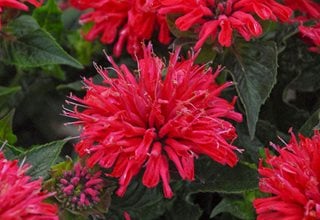
- Bee balm: Bee balm is a flowering herb that attracts bees and other pollinators. This is important for persimmon trees, as they need pollination in order to produce fruit. Bee balm also helps to improve the soil quality around the persimmon tree.
- Mexican sunflower: Mexican sunflower is another flowering herb that attracts pollinators. It also helps to repel pests, such as aphids and whiteflies. Mexican sunflower is a tall plant, so it can help to provide shade for the persimmon tree in the summer.
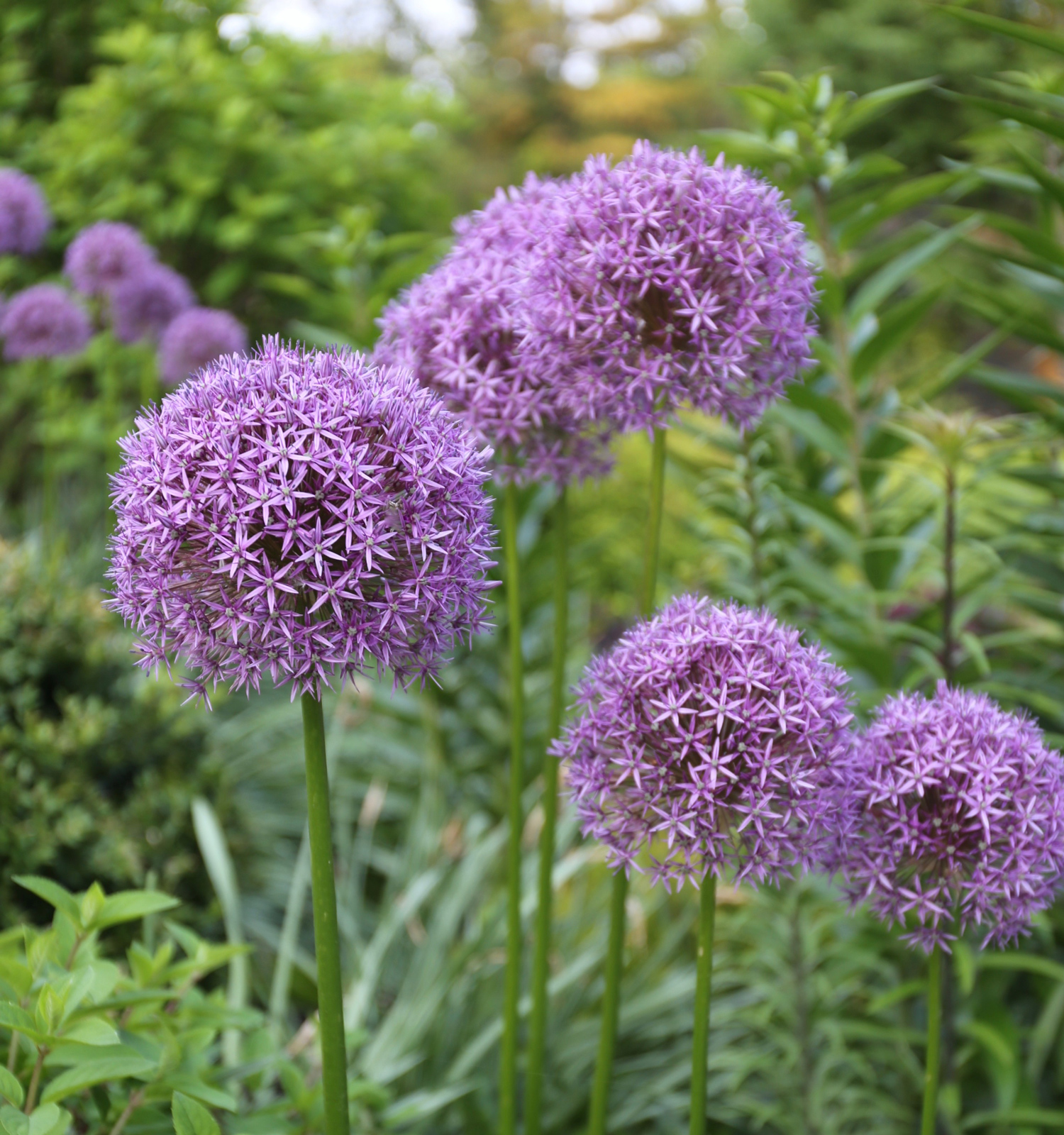
- Alliums: Alliums, such as onions, garlic, and chives, help to repel pests and improve the soil quality around the persimmon tree. They also help to break up the soil, which can help to improve drainage.
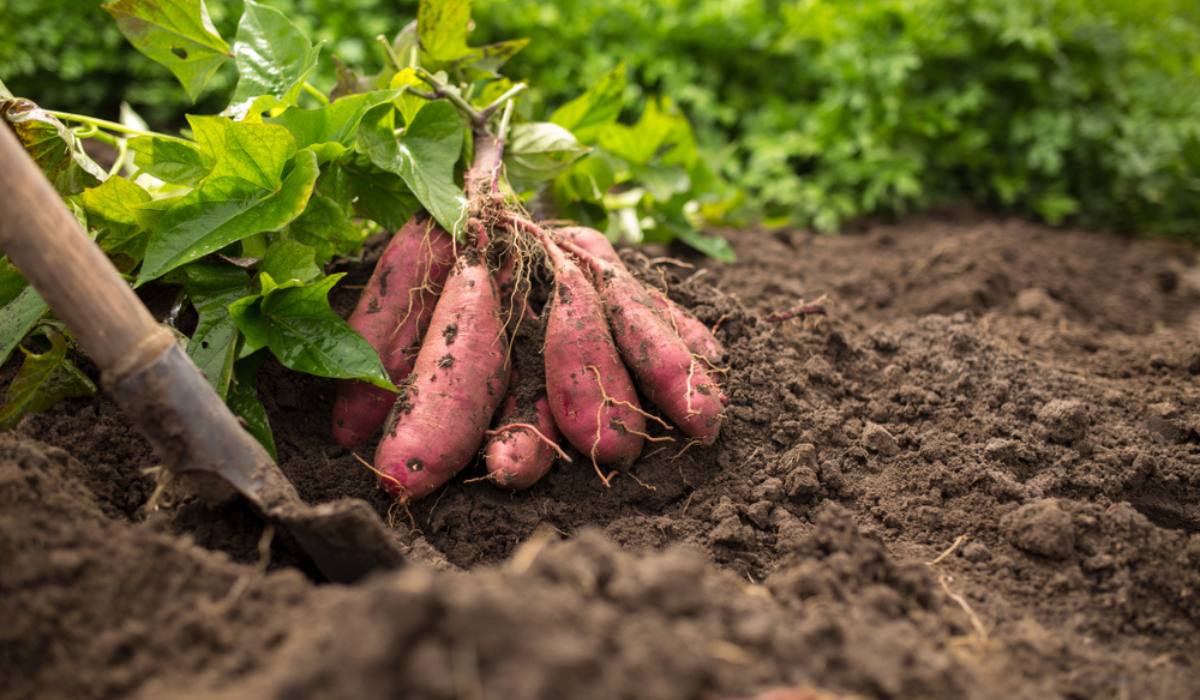
- Sweet potatoes: Sweet potatoes are a nitrogen-fixing plant, which means they can help to add nitrogen to the soil. Nitrogen is an important nutrient for persimmon trees. Sweet potatoes are also a groundcover, which can help to suppress weeds and improve the soil quality.
- Other fruit trees: Planting other fruit trees near your persimmon tree can help to attract pollinators and improve the overall health of your garden. Some good companion fruit trees for persimmons include apples, pears, and plums.

When choosing companion plants for your persimmon tree, it is important to consider the size of the tree and the amount of sunlight it needs. Persimmon trees can grow quite large, so you will need to choose companion plants that will not be shaded out. You should also choose companion plants that have similar water and soil requirements as your persimmon tree.
By planting companion plants with your persimmon tree, you can help to improve its health and productivity. This will result in a more bountiful harvest of delicious persimmons.
Persimmon trees are a beautiful and delicious addition to any garden. But did you know that there are certain plants that can help your persimmon tree thrive? These are called companion plants, and they can provide a variety of benefits, such as:
- Increased pollination: Some companion plants, such as bee balm and Mexican sunflower, attract pollinators, which helps to ensure that your persimmon tree sets fruit.
- Pest control: Other companion plants, such as marigolds and yarrow, can help to repel pests, such as deer and insects.
- Weed suppression: Some companion plants, such as sweet potatoes and strawberries, can help to suppress weeds, which can compete with your persimmon tree for water and nutrients.
- Nitrogen fixation: Certain legumes, such as soybeans and clover, can fix nitrogen in the soil, which can benefit your persimmon tree.
If you're looking for the best companion plants for your persimmon tree, I recommend visiting Gardenia Inspiration. This website has a comprehensive list of companion plants, along with information on the benefits they provide. You can also find tips on how to plant and care for your persimmon tree, as well as recipes for using persimmon fruit.
FAQ of persimmon companion plants
- What are the best companion plants for persimmon trees?
The best companion plants for persimmon trees are those that provide benefits such as increased pollination, pest control, weed prevention, and fixing nitrogen. Some of the best companion plants for persimmons include:
* Bee balm
* Mexican sunflower
* Alliums (such as onions, garlic, and chives)
* Sweet potatoes
* Other fruit trees
- What are the benefits of companion planting with persimmons?
There are many benefits to companion planting with persimmons. Some of the key benefits include:
* Increased pollination: Some companion plants, such as bee balm and Mexican sunflower, attract pollinators, which can help to increase the pollination of persimmon trees. This can lead to a higher yield of fruit.
* Pest control: Some companion plants, such as alliums and sweet potatoes, can help to repel pests from persimmon trees. This can help to reduce the need for chemical pesticides.
* Weed prevention: Some companion plants, such as strawberries and borage, can help to suppress weeds around persimmon trees. This can save time and effort in weeding.
* Nitrogen fixation: Some companion plants, such as legumes, can fix nitrogen in the soil. This can help to improve the soil quality and provide nitrogen to the persimmon tree.
- How close should companion plants be planted to persimmon trees?
The ideal distance between companion plants and persimmon trees depends on the specific plants involved. However, in general, it is a good idea to plant companion plants within 50 feet of persimmon trees. This will ensure that the companion plants can provide the benefits listed above.
- What are some common mistakes to avoid when companion planting with persimmon trees?
Some common mistakes to avoid when companion planting with persimmon trees include:
* Planting incompatible plants: Some plants can be harmful to persimmon trees. It is important to do your research before planting any companion plants near your persimmon tree.
* Planting too close: As mentioned above, it is important to plant companion plants within 50 feet of persimmon trees. Planting them too close can crowd the tree and prevent it from getting enough sunlight and air.
* Overwatering: Perennial companion plants, such as strawberries and borage, can tolerate some drought. However, it is important to avoid overwatering them, as this can lead to root rot.
- What are some other factors to consider when companion planting with persimmon trees?
In addition to the factors mentioned above, there are a few other things to consider when companion planting with persimmon trees. These include:
* The size of the persimmon tree: Some persimmon trees can grow quite large. If you are planting a large persimmon tree, you will need to make sure that you have enough space for it to grow.
* The climate: Perennial companion plants should be able to tolerate the climate in your area. For example, if you live in a cold climate, you will need to choose companion plants that are hardy to cold weather.
* The soil type: Persimon trees prefer well-drained soil. If you have poor soil, you may need to amend it before planting companion plants.
Image of persimmon companion plants
5 different images of "persimmon companion plants" from Pinterest:
- Bee balm is a flowering herb that attracts pollinators, which can help to increase fruit production in persimmon trees. It also helps to deter pests such as aphids and spider mites.

- Mexican sunflower is another flowering herb that attracts pollinators. It also helps to suppress weeds and improve soil fertility.
- Alliums, such as garlic, onions, and chives, help to repel pests such as Japanese beetles and root knot nematodes. They also help to improve soil drainage and aeration.
- Sweet potatoes are nitrogen-fixing plants, which means they can help to improve the nitrogen content of the soil for persimmon trees. They also help to suppress weeds.
- Other fruit trees, such as apples, pears, and plums, can help to attract pollinators and provide shade for persimmon trees.

Post a Comment for "The Best Persimmon Companion Plants That Will"