The Buckthorn Bush: A Beautiful But Invasive Species
The Buckthorn Bush: A Beautiful but Invasive Species
Buckthorn bushes are a common sight in many parts of the world. They are known for their attractive white flowers and dark berries, and they can grow quite large, reaching heights of up to 20 feet. However, while buckthorn bushes may be beautiful, they are also invasive species that can cause significant damage to native ecosystems.
What is an invasive species?
An invasive species is a plant or animal that is not native to a particular area and that has been introduced by humans. Once introduced, invasive species can often outcompete native species for resources, such as food and water. They can also alter the natural environment in ways that can be harmful to native plants and animals.
How is buckthorn an invasive species?
Buckthorn bushes are native to Europe and Asia, but they have been introduced to North America, South America, and Australia. In these new locations, buckthorn bushes have no natural predators or competitors, which allows them to quickly spread and become invasive. Buckthorn bushes can also produce large numbers of seeds, which are easily spread by birds and other animals.
The negative effects of buckthorn
Buckthorn bushes can have a number of negative effects on native ecosystems. They can crowd out native plants, reducing biodiversity. They can also alter the natural fire regime, making it more difficult for native plants to regenerate after a fire. Buckthorn bushes can also provide a habitat for invasive insects and diseases, which can further damage native ecosystems.
How to control buckthorn
There are a number of ways to control buckthorn bushes. One way is to remove them by cutting them down and then treating the stumps with an herbicide. Another way to control buckthorn is to plant native plants that can compete with buckthorn for resources. Buckthorn can also be controlled by goats, which will eat the leaves and branches of the bushes.
What can you do to help?
If you see buckthorn bushes in your area, you can help to control them by removing them yourself or by contacting your local conservation agency. You can also plant native plants in your yard to help to prevent buckthorn from spreading.
Conclusion
Buckthorn bushes are beautiful plants, but they can also be harmful to native ecosystems. By understanding the negative effects of buckthorn and how to control it, we can help to protect our natural world.
Buckthorn bushes are a common sight in many parts of North America. They are known for their dense foliage and thorny branches, and can quickly become invasive. However, buckthorn bushes also have some medicinal uses. The leaves and flowers of buckthorn can be used to treat a variety of ailments, including arthritis, gastrointestinal ulcers, gout, and skin rashes. The oil from the fruit of buckthorn has also been shown to have both cosmetic and medicinal benefits, and can help to relieve cardiac problems and lower cholesterol levels.
If you are interested in learning more about buckthorn bushes, I recommend visiting the Garden Wiki. This website provides a wealth of information about buckthorn, including its history, identification, uses, and removal. You can also find a variety of resources on the website, such as articles, videos, and a forum where you can ask questions and connect with other buckthorn enthusiasts.
FAQ of buckthorn bush
- What is buckthorn?
Buckthorn is an invasive shrub or small tree that is native to Europe and Asia. It was introduced to North America in the 1800s as an ornamental plant and for erosion control. However, buckthorn has since become an invasive species that is outcompeting native plants and harming ecosystems.
- What are the problems caused by buckthorn?
Buckthorn can cause a number of problems, including:
* Outcompeting native plants for nutrients, light, and moisture.
* Degrading wildlife habitat.
* Shading out ground cover, which can contribute to erosion and a decrease in soil moisture.
* Producing poisonous berries that can be harmful to livestock and wildlife.
- How can I control buckthorn?
There are a number of ways to control buckthorn, including:
* Manual removal: This is the most effective way to control buckthorn, but it can be labor-intensive.
* Chemical control: There are a number of herbicides that can be used to kill buckthorn. However, it is important to use herbicides carefully and only in areas where buckthorn is a problem.
* Biological control: There are a number of insects and diseases that can be used to control buckthorn. However, biological control is often not as effective as manual or chemical control.
- How can I prevent buckthorn from spreading?
The best way to prevent buckthorn from spreading is to:
* Do not plant buckthorn.
* Remove buckthorn from your property as soon as you see it.
* Do not allow buckthorn berries to fall on the ground, as they can sprout new plants.
* If you live in an area where buckthorn is a problem, you may want to consider joining a local volunteer group that is working to control buckthorn.
Image of buckthorn bush
5 different images of "buckthorn bush" from Pinterest:
- Common buckthorn is a deciduous shrub or small tree that can grow up to 15 feet tall. It has dark green leaves that are oval-shaped and have serrated edges. The flowers are small and white, and they bloom in the spring. The berries are black and poisonous.
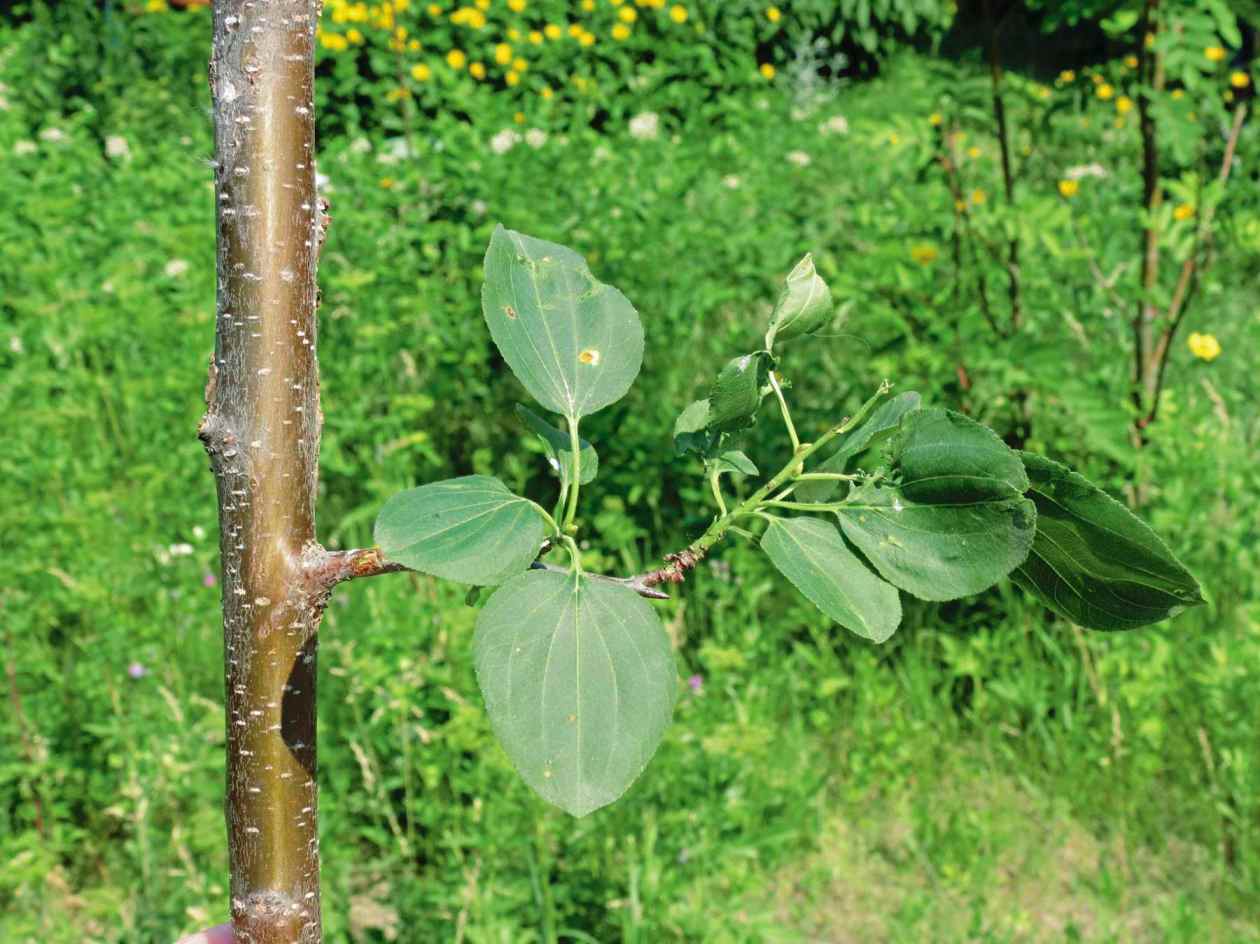
- Glossy buckthorn is a deciduous shrub or small tree that can grow up to 10 feet tall. It has glossy green leaves that are oval-shaped and have smooth edges. The flowers are small and white, and they bloom in the spring. The berries are black and poisonous.

- European buckthorn is a deciduous shrub or small tree that can grow up to 20 feet tall. It has dark green leaves that are oval-shaped and have serrated edges. The flowers are small and white, and they bloom in the spring. The berries are black and poisonous.
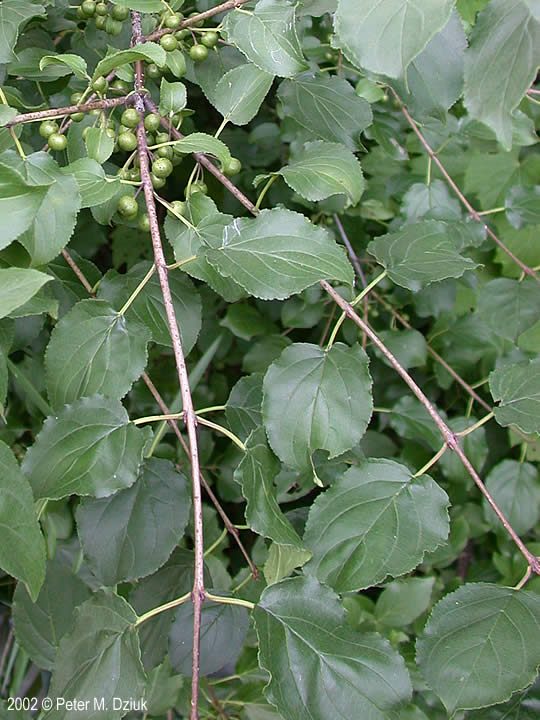
- Siberian buckthorn is a deciduous shrub or small tree that can grow up to 15 feet tall. It has dark green leaves that are oval-shaped and have serrated edges. The flowers are small and yellow, and they bloom in the spring. The berries are black and poisonous.

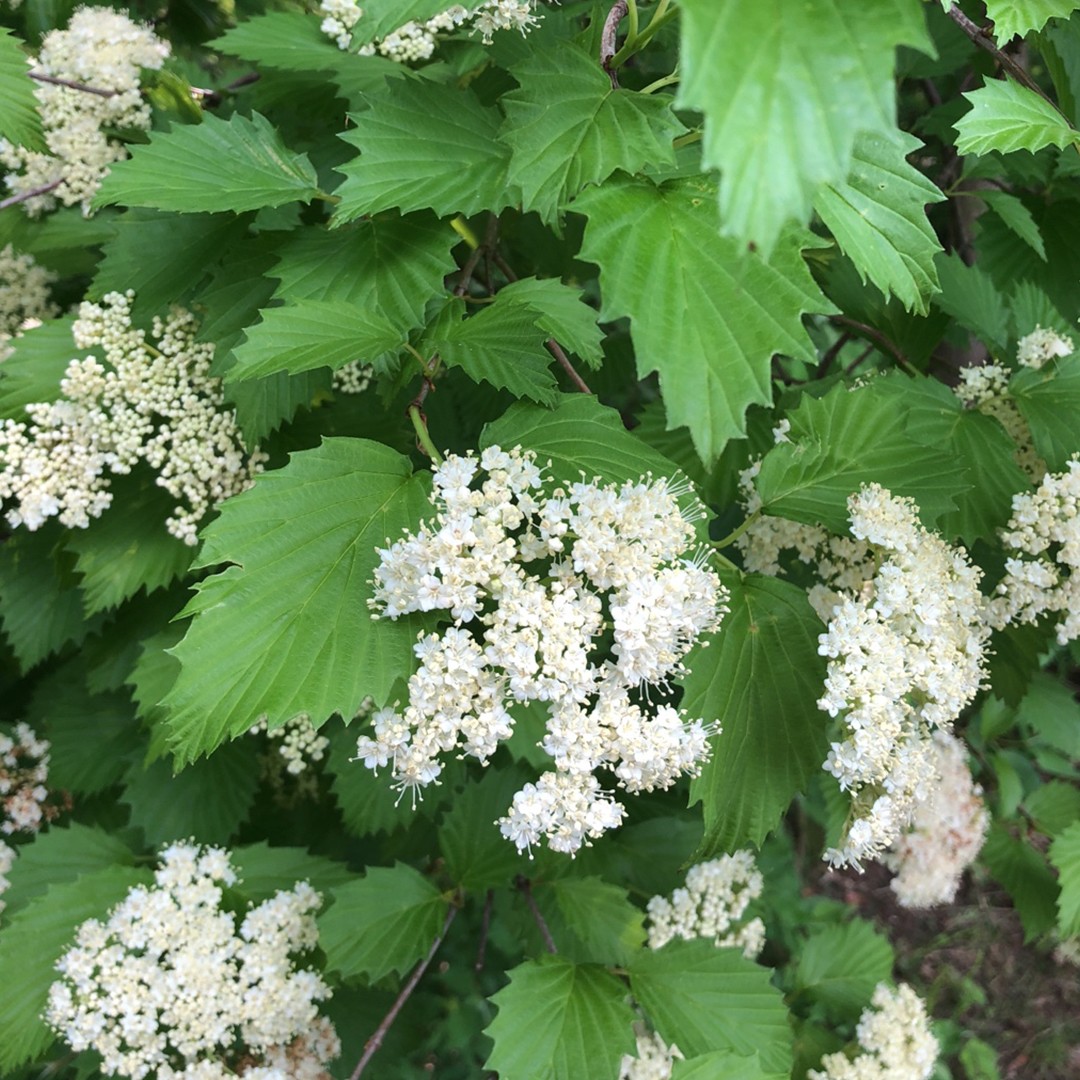
- Arrowwood buckthorn is a deciduous shrub or small tree that can grow up to 10 feet tall. It has dark green leaves that are oval-shaped and have serrated edges. The flowers are small and white, and they bloom in the spring. The berries are red and not poisonous.

Post a Comment for "The Buckthorn Bush: A Beautiful But Invasive Species"